Areas of research focus and expertise
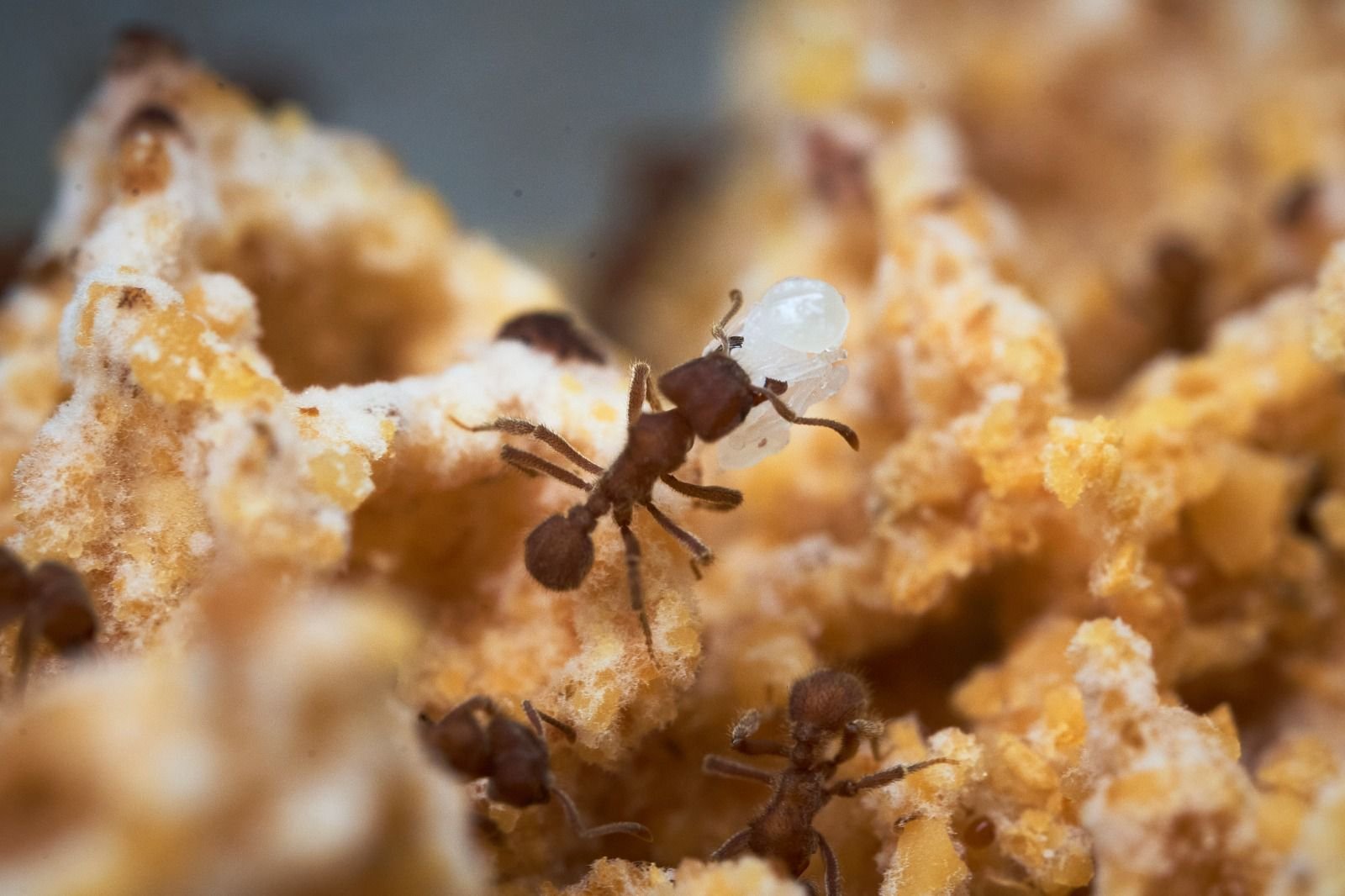
I'm interested in social immunity and adaptations of fungus-growing insects toward pathogenic microbes. My research seeks evidence of adaptive social immunity in fungus-growing ants (collective immune memory) and investigates which mechanisms could be involved when recognizing microbes. I study how leaf-cutting ants (genera Atta and Acromyrmex) develop and maintain defense mechanisms against antagonistic fungi in their fungal crops, focusing on the specificity of recognition and response mechanisms, as well as the role of learning in enhancing hygienic behaviors.
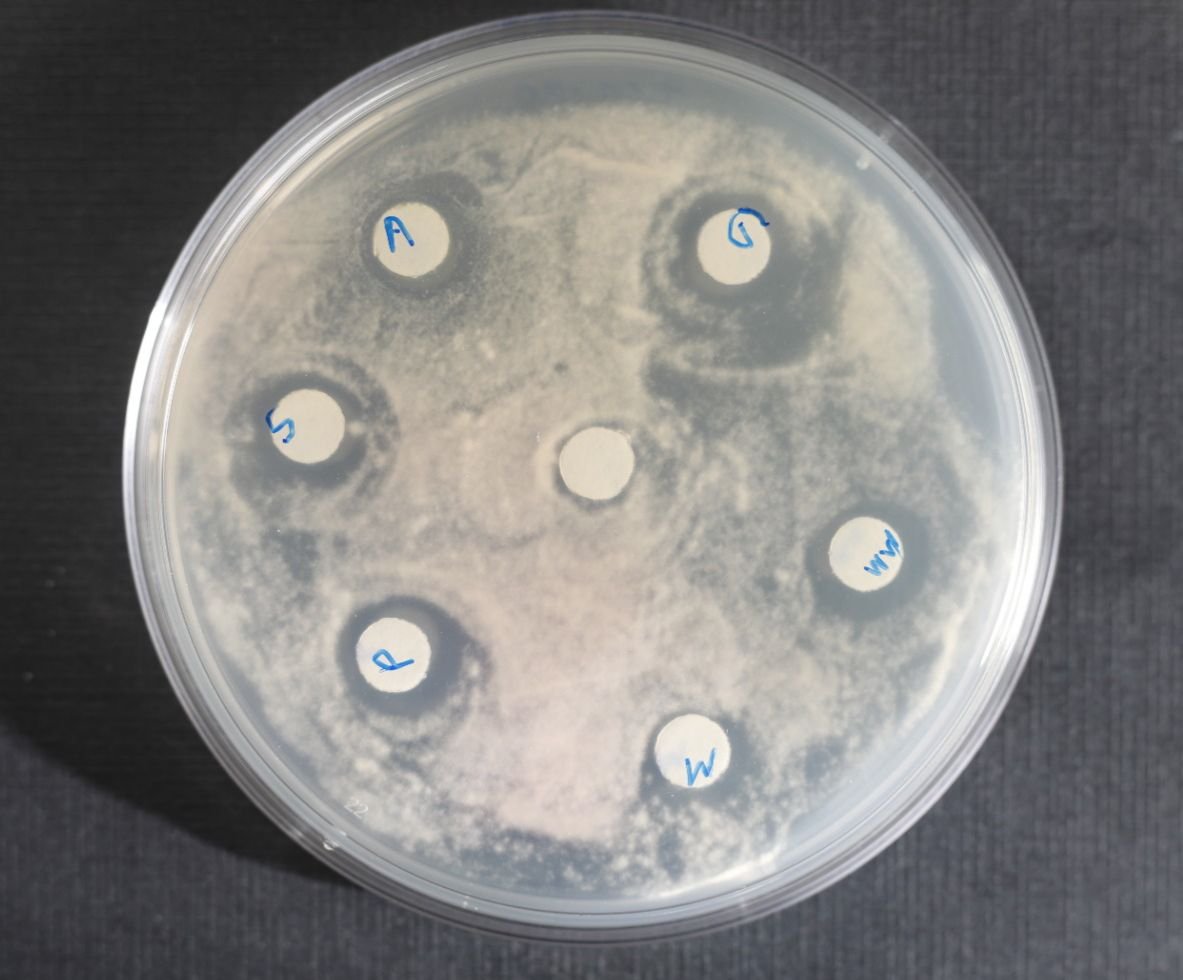
I strive to understand the role of venoms in social immunity and how social parasites impact the group-level defenses of hosts. This research explores how social insects coordinate individual and collective defenses against disease threats, and examines the complex interactions between social parasites and their host colonies.
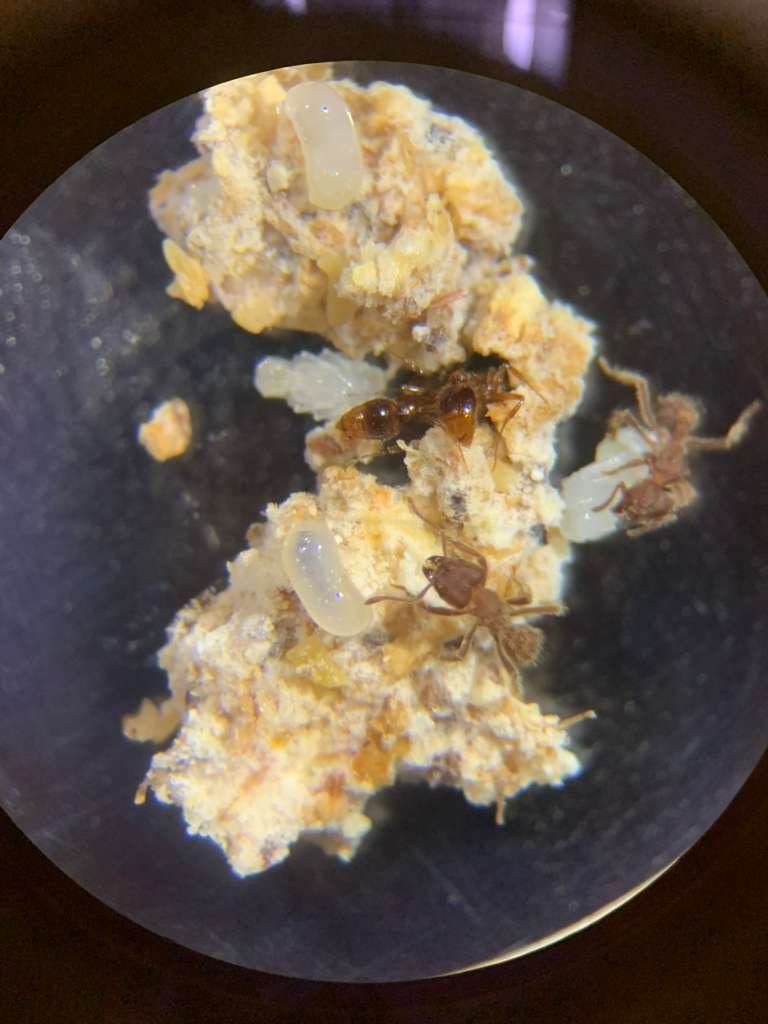
PhD Thesis: "Friendly ants foes: does a social parasite and host cooperate to combat diseases?"
Institution: The Ohio State University, Department of Evolution, Ecology and Organismal Biology
Advisor: Dr. Rachelle M. M. Adams
Co-advisor: Dr. Guilherme Coelho Rabelo
Peer-reviewed articles and scientific contributions
Note: For a complete and up-to-date list of publications, including preprints, conference proceedings, and other contributions, please visit my ResearchGate profile.
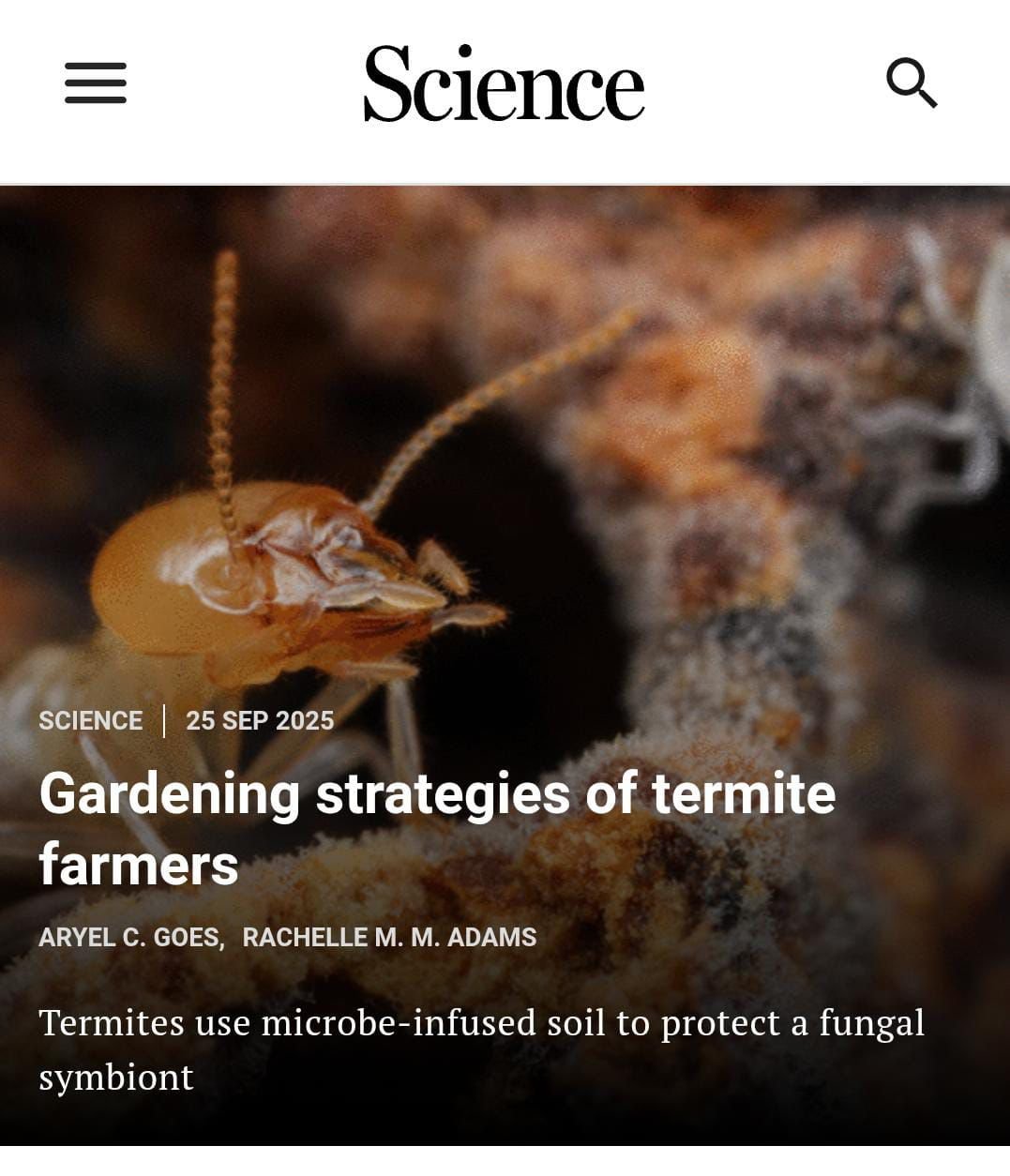
GOES, A. C.; ADAMS, R. M. M. Gardening strategies of termite farmers. In press, 2025.
GOES, A. C. A Memória Imunológica Composta Por Formigas [The Collective Immune Memory of Ants]. Book Chapter, 2025.
SILVA, L. H. B.; GOES, A. C.; RODRIGUES, A.; HAIFIG, I.; [...]. Social immune response reflects infection progression in a soldierless termite. In press, 2024.
GOES, A. C.; KOOIJ, P. W.; HAIFIG, I.; RODRIGUES, A.; [...]. Exploring immune memory traits in the social immunity of a fungus-growing ant. In press, 2024.
DE OLIVEIRA, KARINA B.; GOES, ARYEL C.; SILVA, AIRTON D.; VIEIRA, PAULO C.; RODRIGUES, ANDRE. Fungal Cultivars of Higher Attine Ants Promote Escovopsis Chemotropism. Current Microbiology, v. 81, p. 1, 2024.
DOI: 10.1007/s00284-023-03552-1 | Citations: 1 (Web of Science), 1 (Scopus)
GOES, A. C.; KOOIJ, P. W.; CULOT, L.; BUENO, O. C.; RODRIGUES, A. Distinct and enhanced hygienic responses of a leaf-cutting ant towards repeated fungi exposures. Ecology and Evolution, v. 12, p. 1-13, 2022.
DOI: 10.1002/ece3.9112 | Citations: 7 (Web of Science), 6 (Scopus)
JIMENEZ-GOMEZ, I.; BARCOTO, M. O.; MONTOYA, Q. V.; GOES, A. C.; MONTEIRO, L. S.; BUENO, O. C.; RODRIGUES, A. Host susceptibility modulates Escovopsis pathogenic potential in the fungiculture of higher attine ants. Frontiers in Microbiology, v. 12, p. 67344, 2021.
DOI: 10.3389/fmicb.2021.673444 | Citations: 15 (Web of Science), 14 (Scopus)
GOES, A. C.; BARCOTO, M. O.; KOOIJ, P. W.; BUENO, O. C.; RODRIGUES, A. How do leaf-cutting ants recognize antagonistic microbes in their fungal crop?. Frontiers in Ecology and Evolution, v. 8, p. 1-12, 2020.
DOI: 10.3389/fevo.2020.00095 | Citations: 23 (Web of Science), 18 (Scopus)